

Parvasi Media News
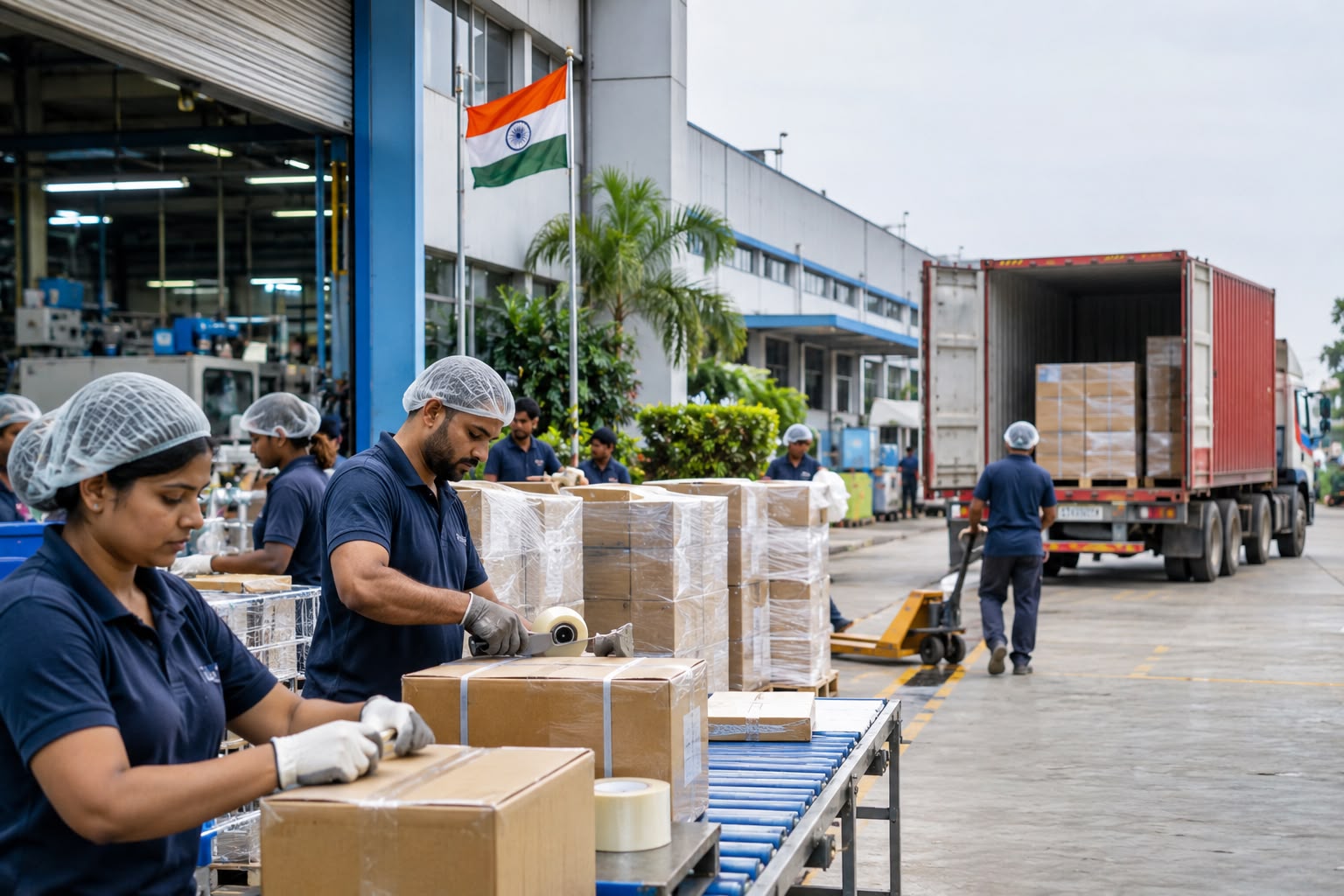
India’s manufacturing and export ambitions are facing fresh pressure after the United States proposed additional tariffs of up to 25 per cent on Indian goods under a trade investigation launched by the Trump administration. The move has brought key initiatives such as Make in India, Atmanirbhar Bharat and the Production Linked Incentive (PLI) scheme under scrutiny.
The US Trade Representative (USTR) argues that government-backed manufacturing incentives could encourage production beyond domestic demand, creating excess capacity and pushing surplus goods into international markets. Washington says this could disadvantage American manufacturers. India, however, maintains that its industrial programmes are aimed at strengthening domestic capabilities, attracting investment and generating employment.
The proposed tariff could be reduced to 17 per cent if India reaches a qualifying trade agreement with the United States that addresses Washington’s concerns. Without such an agreement, the proposed rate could remain at 25 per cent. These measures are part of a Section 301 investigation and are subject to further procedures, including a public comment process.
The potential tariff changes could affect Indian export sectors such as textiles, gems and jewellery, chemicals, electronics, automobiles and marine products. A lower 17 per cent rate could offer Indian exporters a modest advantage over some regional competitors, including countries facing proposed rates of 18 per cent. However, the final impact will depend on the outcome of negotiations and the implementation of the proposed measures.
India’s government has said it is examining the U.S. notice and maintains that trade-related concerns should be addressed through ongoing bilateral negotiations. The latest development adds pressure to the India-US trade deal discussions, with exporters and manufacturers watching closely for clarity on future tariff rates and access to the American market.

