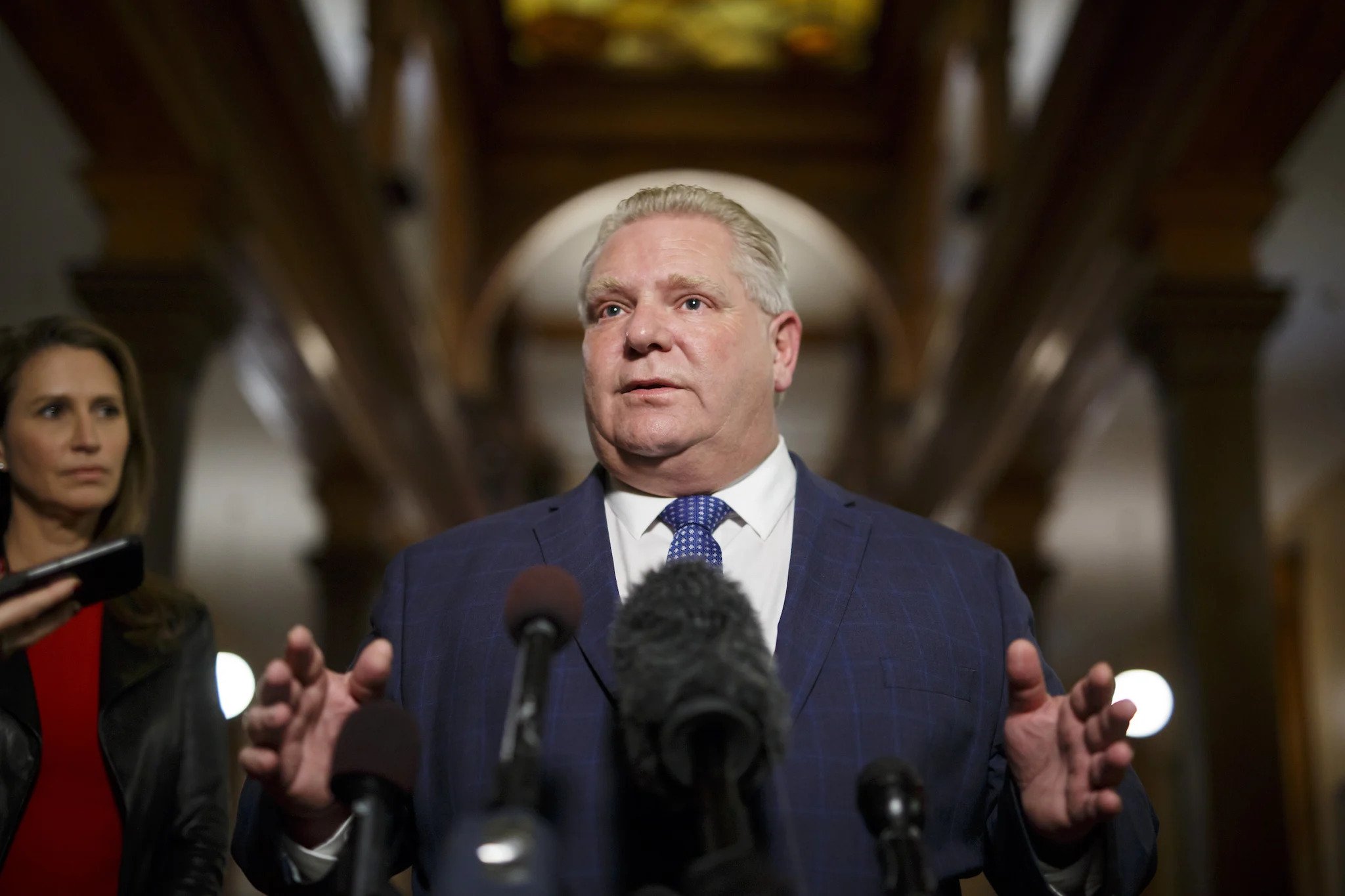
Ontario Premier Doug Ford is looking to take immigration matters into provincial hands, revealing plans to explore issuing work permits directly to asylum seekers under a little-used constitutional provision.
Speaking at the close of a national premiers’ summit in Muskoka, Ford said his government would begin internal discussions on how to grant work authorization to asylum claimants currently waiting, in some cases for years, to legally join the workforce.
“We will be issuing our own work permits,” Ford said, citing Section 95 of the Constitution Act, which permits provinces to legislate on immigration matters, provided their laws do not conflict with federal statutes.
Ford credited Alberta Premier Danielle Smith for raising awareness of the clause during the summit. While Ontario has not yet finalized a framework or timeline, Ford’s office confirmed that internal planning will begin immediately to explore the legal and logistical groundwork needed.
The federal immigration ministry did not respond to media inquiries about whether it would challenge Ontario’s proposed move.
Ford argued that asylum seekers should not be left idle while their claims are processed, a period that often stretches over two years. “They’re healthy, willing, and hardworking,” he said, referencing hundreds housed in hotels in Etobicoke. “It’s not their fault they’re stuck in limbo. It’s the system’s fault.”
Under current federal rules, asylum seekers must wait until their eligibility is confirmed and a work permit is processed, a timeline that Ford says is “too long and unfair,” both to the newcomers and to the province’s economy.
Ontario’s effort would mark a bold shift in how provinces engage with immigration, particularly in areas where labour shortages are pressing. Ford maintained that provincial leaders are best placed to understand local workforce needs. “They want to work. They want to contribute. They want to build a life like every other Canadian.”
If implemented, Ontario’s approach could set a precedent for other provinces to use constitutional leeway in addressing immigration bottlenecks.