

Residents in Brampton and Mississauga are being warned to prepare for another sharp deterioration in air quality as wildfire smoke pushes health-risk levels toward the top of the scale.
Environment and Climate Change Canada forecasts the Air Quality Health Index (AQHI) will reach 10+ — classified as “very high risk” — in both cities Friday and remain at that level Friday night.
Conditions are expected to improve slightly Saturday, when the index is forecast to reach 10, or “high risk,” before falling to six, or moderate risk, Saturday night.
The warning comes after Brampton and Mississauga recorded very-high-risk air quality readings earlier this week.
At 1 p.m. Friday, the AQHI stood at three in Brampton and two in Mississauga, both considered low risk. However, orange air-quality warnings remained posted for both cities, with conditions forecast to worsen later in the day.
The AQHI measures the health risks associated with air pollution on a scale from one to 10+. A reading between one and three is considered low risk, while 10+ represents very high risk.
Peel Public Health issued an Orange Air Quality Alert for the region Wednesday after smoke from forest fires in northwestern Ontario moved into southern Ontario. The alert applies to Brampton, Mississauga and Caledon.
Peel’s medical officer of health issues an orange warning when the AQHI is forecast to reach, or has already reached, 10 or higher because of wildfire smoke.
“Poor air quality poses risks to everyone’s health, but particularly for at-risk individuals,” Peel Medical Officer of Health Dr. Alexa Caturay said.
Caturay urged residents to monitor changing conditions, take precautions and check on people who may be more vulnerable to wildfire smoke.
Those at increased risk include people with respiratory or heart conditions, older adults, pregnant people, infants, young children, Indigenous Peoples and people who work outdoors.
Wildfire smoke can cause eye, nose and throat irritation, headaches, coughing, wheezing, dizziness, difficulty breathing and chest pain, according to Peel Public Health.
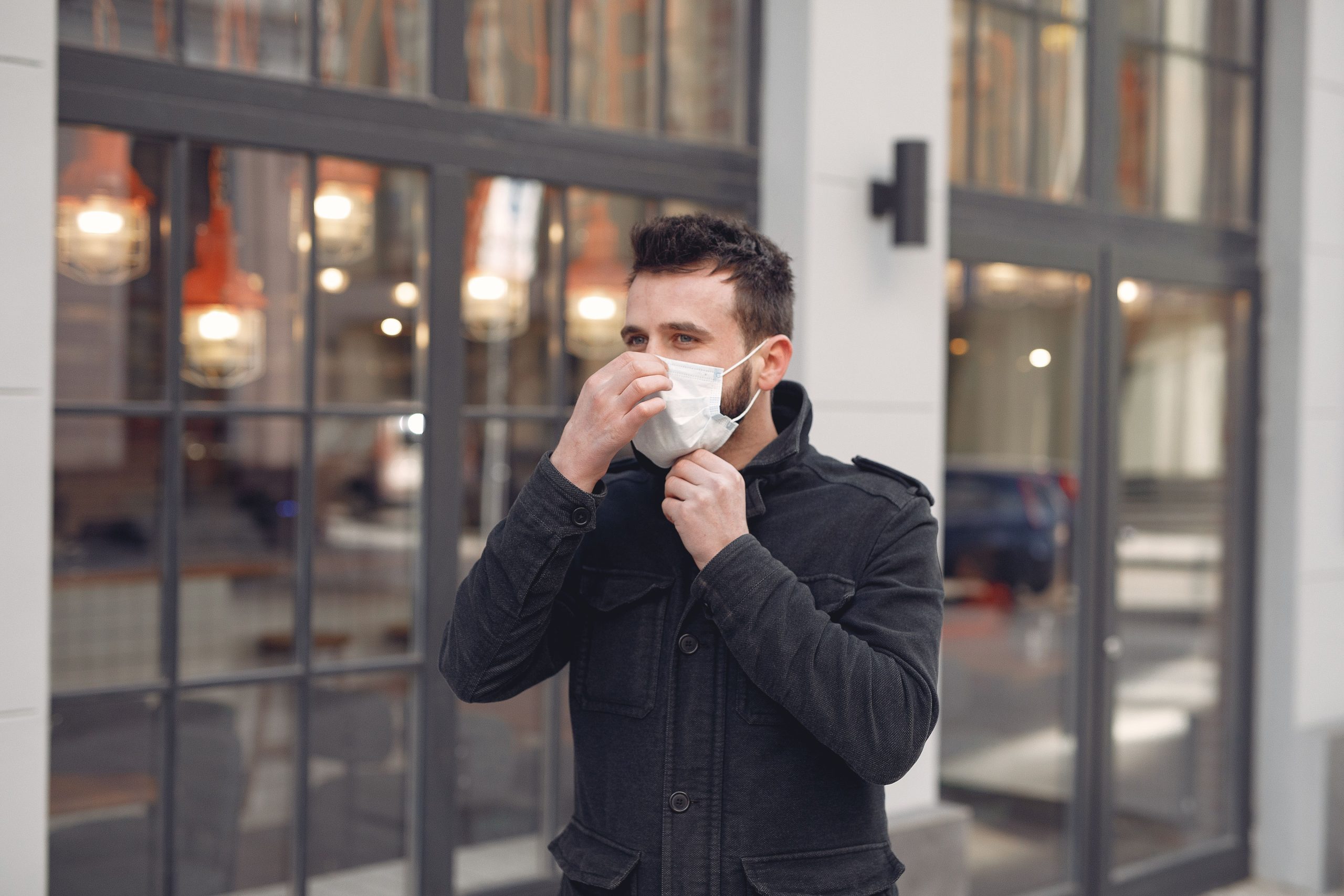
When the AQHI reaches 10+, at-risk residents should avoid strenuous outdoor activity. The general population is also advised to reduce or reschedule strenuous activities, particularly if experiencing coughing, throat irritation or other symptoms.
Residents can reduce their exposure by keeping windows and doors closed when indoor temperatures remain comfortable, using suitable air filters and spending time in places with clean, cool air, such as libraries or community centres.
Health officials say staying cool should remain the priority when extreme heat and poor air quality occur at the same time.
Residents can follow changing conditions through Environment Canada’s Brampton and Mississauga AQHI pages or the WeatherCAN app.
Abhishek Kaul
Parvasi Media Group

