The United States and Iran have agreed to suspend attacks for two weeks, easing fears of a wider regional conflict and helping push oil prices lower, but the fragile deal is already under strain as violence continues in Lebanon and parts of the Gulf. Tehran has also agreed to allow safe transit through the Strait of Hormuz during the pause, a key step for global shipping and energy markets.
The temporary ceasefire, brokered by Pakistan, was confirmed by Iran’s Supreme National Security Council. Iran’s foreign minister also said the country’s armed forces would facilitate safe passage through the strategic waterway for the duration of the agreement. Talks between Iran and the United States are set to begin Friday in Islamabad, though Tehran signalled the negotiations do not guarantee a permanent end to the war.
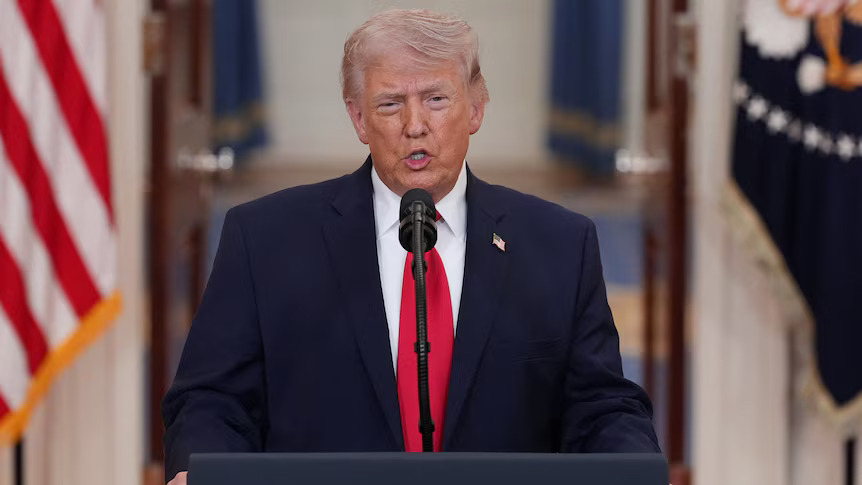
President Donald Trump said Iran would receive sanctions and tariff relief under the arrangement, but warned Tehran would still be barred from enriching uranium. He also threatened 50 percent tariffs on countries that sell Iran weapons.
Israeli Prime Minister Benjamin Netanyahu backed the U.S. move, but made clear the ceasefire would not apply to Lebanon, where Israel has been conducting a parallel military campaign against Hezbollah since invading in March.
His remarks directly contradicted Pakistani Prime Minister Shehbaz Sharif, who said the agreement involved a total halt in hostilities and specifically included Lebanon.
Despite the ceasefire announcement, the Lebanese state news agency NNA reported continued Israeli strikes across southern Lebanon. One airstrike at dawn hit a building near a hospital and killed four people. Israel’s military also issued repeated urgent warnings to residents ahead of planned attacks on the southern city of Tyre.
The reopening of the Strait of Hormuz is a major development for global trade, though shipping companies are moving carefully. Restoring normal traffic through the Gulf may take time as operators wait for proof the corridor is secure.
Container shipping giant Maersk said it was not yet changing its operations.
“Any decision to transit the Strait of Hormuz will be based on continuous risk assessments, close monitoring of the security situation, and available guidance from relevant authorities and partners,” the company said in a statement.
Anoop Singh, global head of shipping research at Oil Brokerage, said it should be expected that tankers and oil flowing to Iranian-friendly countries will be the first ones to transit the strait.
Brent crude dropped to just below $95 a barrel after Trump announced the two-week pause, reflecting hopes that a wider disruption to Gulf energy supplies might be avoided.
Still, sporadic attacks in Iran and other Gulf countries continued in the hours after the ceasefire was unveiled, underlining how unstable the situation remains. The coming talks in Islamabad are now likely to test whether this short-term pause can develop into a broader diplomatic breakthrough, or whether the region is only entering another brief lull before renewed fighting.