Ontario’s system for training and licensing commercial truck drivers is facing serious criticism after Auditor General Shelley Spence found weak provincial oversight, incomplete instruction and gaps that may allow unqualified drivers onto the road.
In a special report released Tuesday, Spence said her office found problems at private career colleges that provide entry-level commercial truck training. The report made 13 recommendations to the province, and the government accepted all of them.
The findings raise fresh concerns about road safety in Ontario, especially in northern communities where commercial truck crashes have drawn growing political and public attention. The report noted that commercial truck drivers are involved in a disproportionate number of road fatalities in the province.
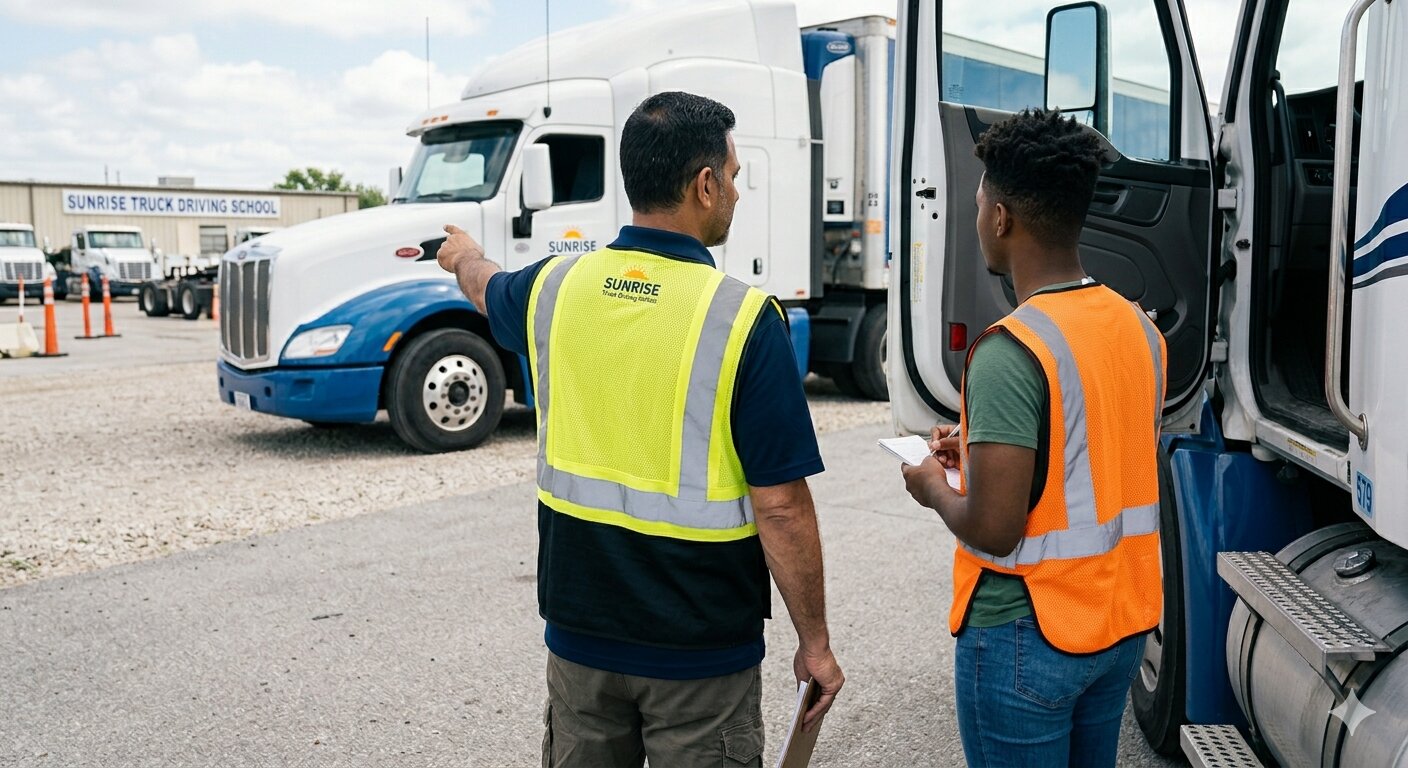
As part of the review, the auditor general’s office sent several people undercover as driving students to six training providers over six months last year.
“We found that two private career colleges delivered 59.5 and 81 hours of the required minimum of 103.5 training hours,” Spence wrote. “Two of our students were not taught key truck driving elements such as left turns at major intersections, reverse parking and emergency stopping.”
The report also pointed to earlier ministry findings. Between 2019 and 2024, the Ministry of Colleges, Universities, Research Excellence and Security found that three registered private career colleges had falsified or altered student training records. Four schools lacked records showing some or all students had completed required entry-level training components. Three schools failed to teach all required components.
Spence found major gaps in the province’s inspection system. As of March 2025, the ministry “had never inspected” 54 of the 216 registered private career colleges offering entry-level commercial truck training.
The report also found the colleges ministry does not routinely share inspection information with the Ministry of Transportation, which is responsible for enforcing driving laws. That means enforcement action may be weakened when training problems are found.
Neither ministry tracked training results for commercial drivers, “such as road test pass or fail rates, post-licensing driving infraction rates or collision rates,” the report said.
The auditor also found that commercial truck driving tests did not assess all highway manoeuvres at higher speeds.
The findings come after several New Democrats recently travelled from Toronto to the Manitoba border and back along Highways 17 and 11 to highlight safety concerns on northern roads. They cited training and licensing gaps, winter driving risks, limited separated highways and too few passing lanes.
The province has accepted the auditor general’s recommendations. The focus now shifts to whether Ontario will tighten inspections, improve ministry coordination and strengthen testing before more undertrained drivers enter the commercial trucking sector.