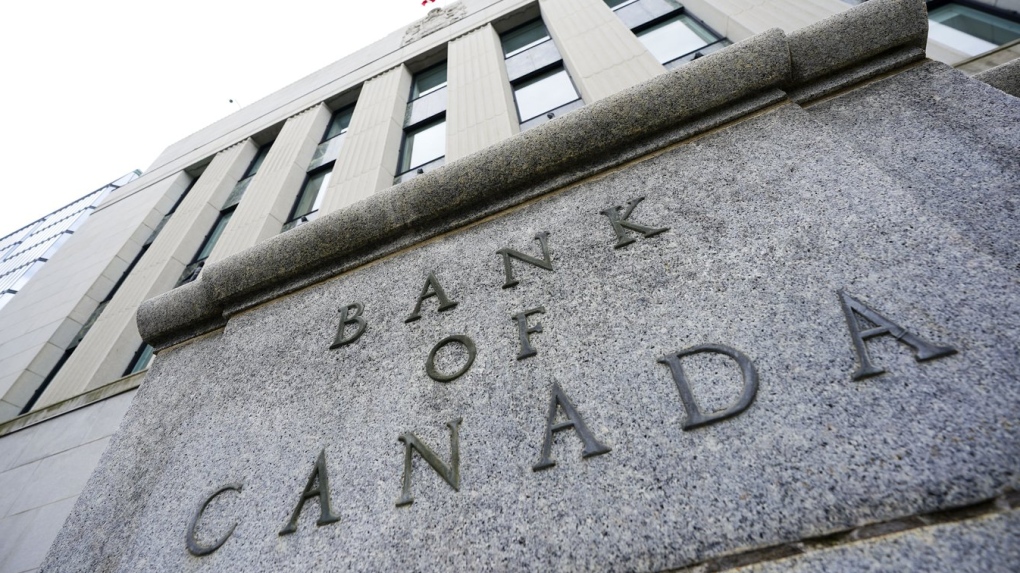
The Bank of Canada held its benchmark interest rate at 2.25 percent on Wednesday, keeping borrowing costs unchanged as cooling inflation, a weakening job market and rising external risks pull policy in different directions. The central bank’s official rate table shows the March 18 decision left the policy rate unchanged from January, extending a pause that has been in place since October 2025.
The hold was widely expected before the decision. Reuters reported economists saw little chance of a move this month, with the Bank facing a mixed backdrop. Inflation has eased closer to target, yet policymakers are also watching higher oil prices tied to conflict in the Middle East, along with trade uncertainty and weak business sentiment.
Inflation data gave the Bank room to wait. Statistics Canada said the Consumer Price Index rose 1.8 percent year over year in February, down from 2.3 percent in January. Excluding indirect taxes, inflation stood at 1.9 percent. On a monthly basis, prices rose 0.5 percent, or 0.1 percent on a seasonally adjusted basis.
The economy has also shown fresh signs of strain. Statistics Canada reported employment fell by 84,000 in February, while the unemployment rate rose to 6.7 percent. The employment rate slipped to 60.6 percent, adding to concern that growth is losing momentum.
For households, businesses and investors, the focus now shifts to the Bank’s tone on the months ahead. A steady rate offers near-term relief for variable-rate borrowers, yet the wider message remains cautious. Inflation has cooled, but rising energy costs and a softer labour market leave the Bank with little room for confidence. The next major checkpoint arrives on April 29, when the Bank is set to issue its next rate decision and updated Monetary Policy Report.