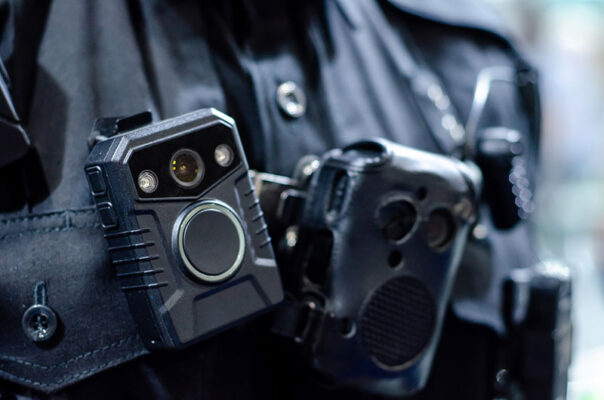
Metrolinx says select frontline staff on GO Transit and UP Express will start using body-worn cameras this spring, part of a broader push to strengthen safety, document incidents, and support enforcement across the regional transit network.
The agency said the cameras will be assigned to Customer Protection Officers, Revenue Protection Officers, and Station Safety Ambassadors. In-vehicle dash cameras are also being introduced throughout the GO Transit and UP Express system.
GO Transit body cameras part of wider security rollout
In a news release, Metrolinx said the new equipment is intended to improve safety for both passengers and employees while also creating a reliable record of interactions in the system.
“Body-Worn Cameras are small devices worn on an officer’s uniform to record audio and video during interactions. Dash Cameras are installed on vehicles to record activity in and around the vehicle,” Metrolinx said in a news release.
“These tools support safety, provide an accurate record of events, and help promote fairness.”
When Metrolinx cameras will be activated
Metrolinx said the body cameras will only be switched on during “specific interactions,” such as safety-related incidents, investigations, or when “there is failure to provide valid proof of payment while in a fare paid zone.”
The agency added riders will be able to tell when recording is underway, as the devices show a flashing red light and emit an “audible beep.”
Privacy rules cited by Metrolinx
“Metrolinx has established clear policies to guide how Body-Worn Cameras and Dash Cameras are used, how footage is handled, and how privacy is protected,” the release states.
“These policies were developed with input from privacy experts and align with the Freedom of Information and Protection of Privacy Act (FIPPA).”
The move follows a similar step by the TTC, which rolled out body-worn cameras across its transit network last year. After a pilot project, Special Constables and Provincial Offences Officers began wearing them in January 2025.